
Inspection
May 12, 2026
7 min read
What Happens During a Pre-Purchase Car Inspection?
A pre-purchase inspection is the single most important step you can take before buying a used car. It is your independent verification of a vehicle's true condition - a professional second opinion that can save you from a costly mistake or arm you with the evidence to negotiate a better price.
Yet despite its importance, many UAE buyers skip it, either to save time or because they don't know exactly what it involves. This guide explains the complete pre-purchase inspection process - and why Wheels2Deals makes it effortless to arrange.
Phase 1: Exterior Assessment
The inspection begins outside the vehicle. The inspector will systematically examine every body panel, checking paint depth with a calibrated electronic gauge. Significant deviations in paint thickness indicate previous body repairs, which may suggest an accident history. Panel gaps are checked for consistency - uneven gaps between panels can reveal structural misalignment.
Phase 2: Under the Bonnet
The engine bay inspection covers several critical areas. The inspector checks fluid levels (engine oil, coolant, brake fluid, transmission fluid, and power steering fluid) and their condition. Discoloured coolant or milky oil can indicate head gasket issues. The inspector looks for evidence of oil leaks around seals and gaskets, corrosion on battery terminals and wiring, and any signs of improvised repairs.
Phase 3: Underneath the Vehicle
Using a vehicle lift or inspection pit, the inspector examines the undercarriage comprehensively. This is where flood damage, accident damage, and deferred maintenance become impossible to hide. Inspectors look for:
• Rust, corrosion, or unusual repair welds on the chassis or subframe
• Leaks from the engine, transmission, or differential
• Condition of the exhaust system, including catalytic converters
• Suspension components - ball joints, bushings, shock absorbers, and springs
Phase 4: Interior and Electronics
Inside the vehicle, every switch, button, and system is tested. This includes air conditioning, all electric window motors, the infotainment system, Bluetooth and USB connectivity, cruise control, parking sensors and cameras, seat adjustment motors, and airbag warning indicators.
Phase 5: OBD Diagnostic Scan
A professional OBD-II (On-Board Diagnostics) scanner is connected to the car's diagnostic port to read stored fault codes. Many fault codes do not trigger a visible warning light on the dashboard but are retained in the system's memory. These codes can reveal issues with the engine management system, transmission, airbags, ABS, and emissions systems.
Phase 6: The Test Drive
A thorough test drive is conducted by the inspector, covering slow-speed manoeuvres, highway speeds, braking performance, and transmission shift quality. Unusual sounds under acceleration, deceleration, or cornering are noted and investigated.
Share this article
#Automotive#UAE#Luxury#Future
Keep reading.
View all insights
Popular Cars People Are Buying Right Now: 6 Brands UAE Buyers Want in 2026
11 min read • Expert Insights
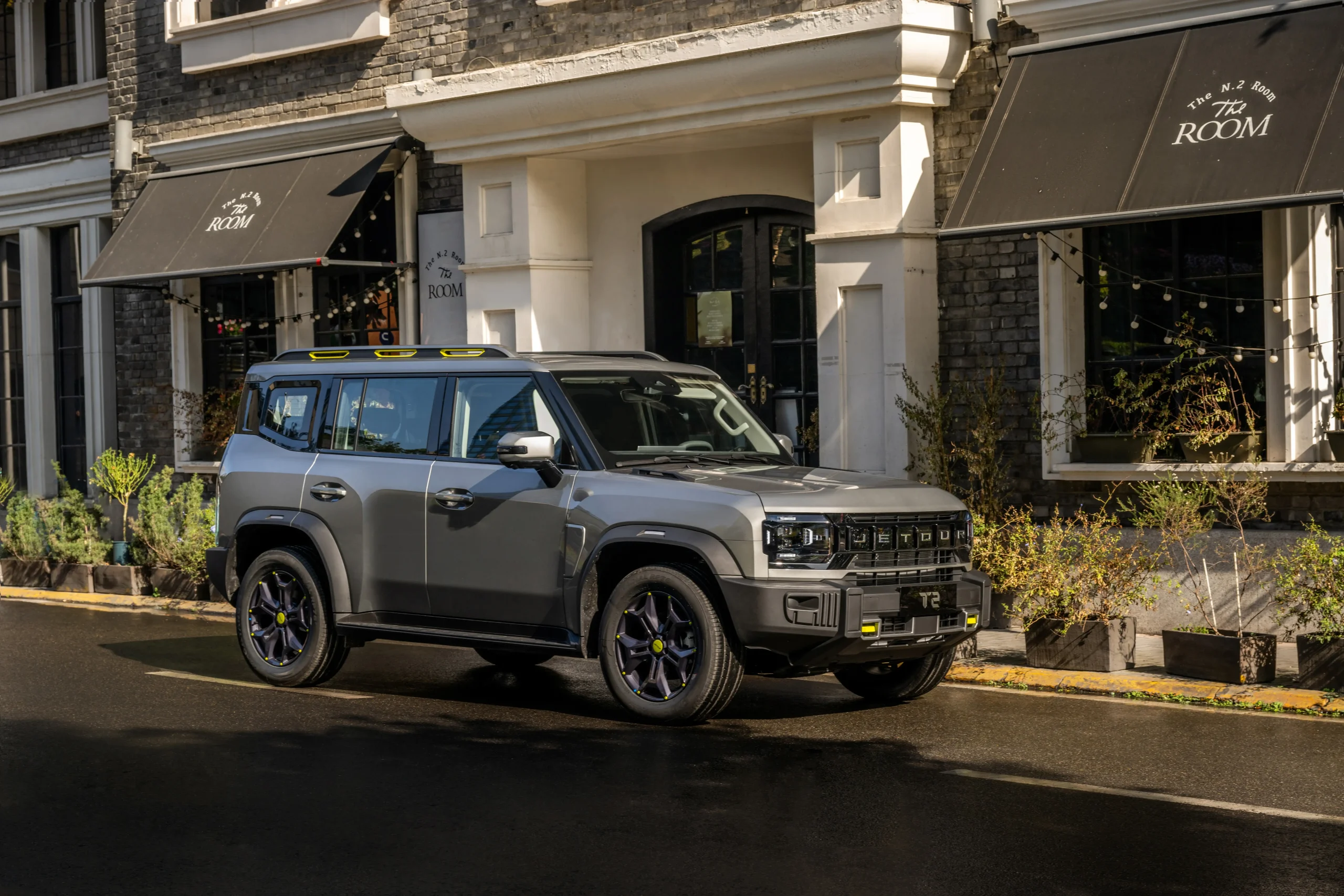
Jetour T2 in the UAE: Is This the Value 4x4 Everyone's Searching For?
7 min read • Expert Insights

Mercedes-Benz S-Class in the UAE: The Flagship Luxury Sedan, Explained
7 min read • Expert Insights